
Digital Maturity: What It Is, What It Measures, and How to Assess Your Company
Digital maturity and digital transformation aren't the same thing. Transformation is the path, the process of change. Maturity is where the company stands on that path: how well integrated, advanced, and efficient technology is within its processes, culture, and strategy. Portugal now has an official framework for measuring this, and it's worth knowing before deciding where to invest next.
The two concepts are easy to mix up, since they always come up together in conversations about digitalisation. But they're different things. Digital transformation is the effort, the project, the shift from one state to another. Digital maturity is the snapshot: it measures how prepared an organisation actually is, today, to put technology to work for the business.
That distinction matters because it changes the question management should be asking. It isn't "are we transforming digitally?", almost everyone will say yes to that, there's always some project underway. The right question is "what level of maturity are we at, and what's missing to reach the next one?" And in Portugal, that question already has an answer with formal criteria behind it, not just an internal impression.
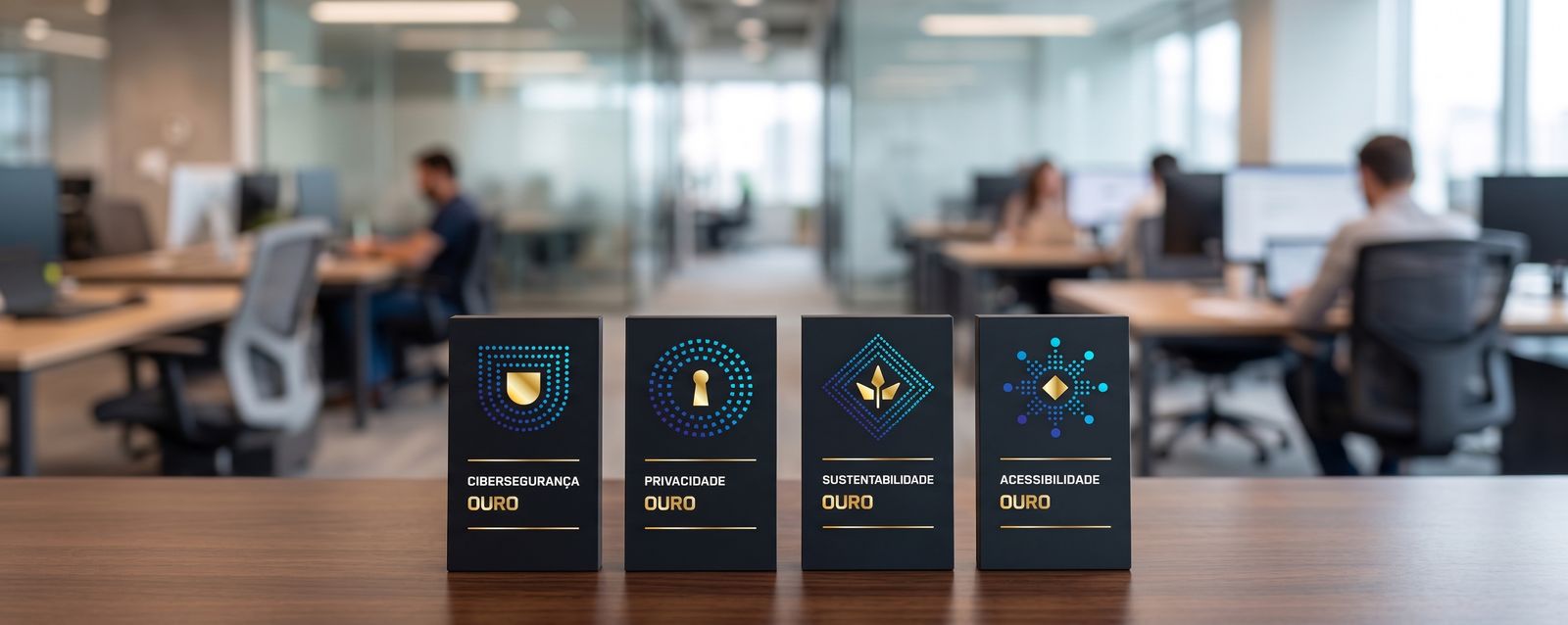
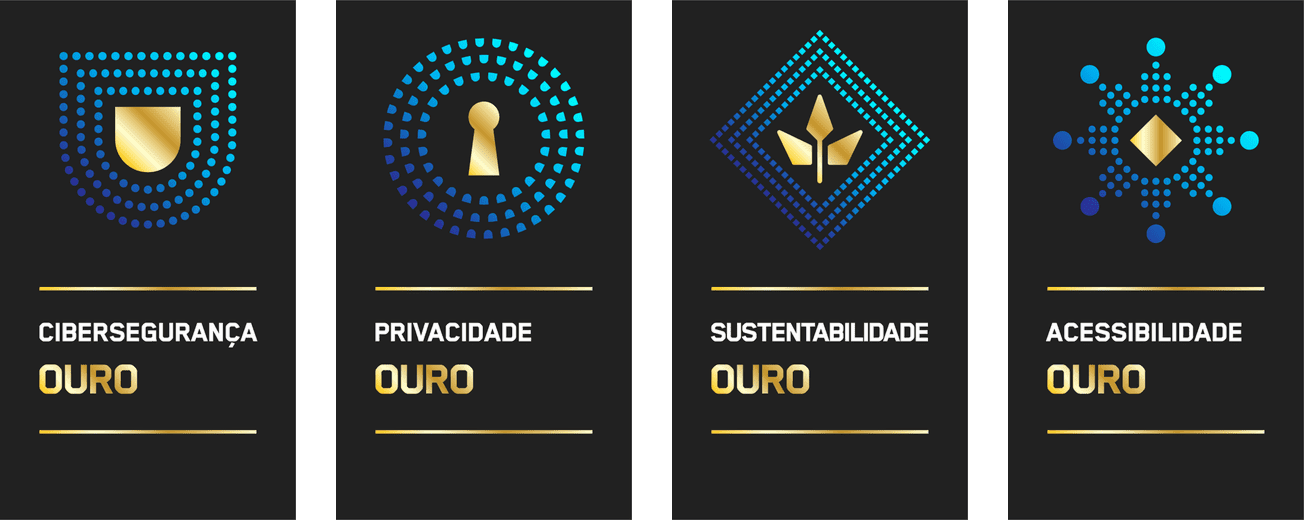
Under Portugal's Recovery and Resilience Plan, the country created the Digital Maturity Seals (Selos de Maturidade Digital), a certification scheme open to any organisation, public or private, developed in partnership with the Portuguese Accreditation Institute (IPAC) and the Portuguese Institute for Quality (IPQ), the accredited certifying bodies, and the National Press-Mint (INCM), with oversight from the Agency for the Technological Reform of the State (ARTE). These are the four dimensions:
Cybersecurity: protecting data and systems against threats, and the ability to respond to incidents.
Privacy: ethical, legally sound handling of customer and employee information, aligned with GDPR.
Sustainability: technology choices and use of digital channels that respect the environment, from energy consumption to equipment lifecycle.
Accessibility: the ability for anyone, including people with disabilities, to access and use the organisation's digital services without barriers.
There are two routes, and they aren't mutually exclusive.
Self-assessment. The Portugal Digital portal offers a free Digital Maturity Diagnostic, designed to give any company a first read on where it stands, at no cost and with no commitment. It's the natural starting point before deciding to invest time or money in a more formal process.
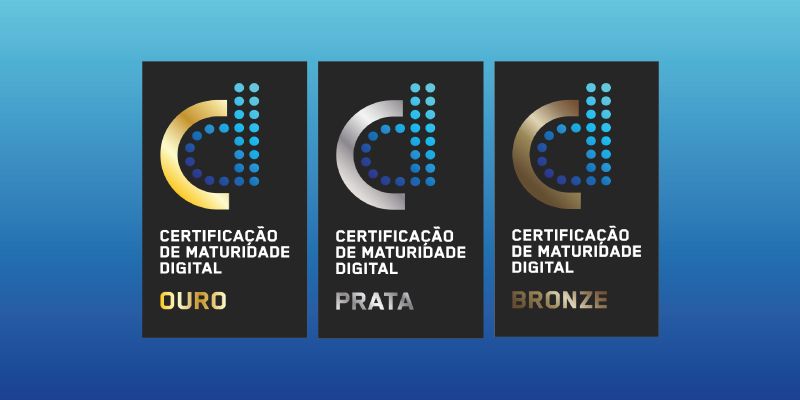
Official certification. For companies that want a recognised seal rather than just a self-assessment, the Digital Maturity Seals award ratings across three tiers, bronze, silver, and gold, in each of the four dimensions, and a company that reaches at least bronze in all four also receives a Global Digital Maturity Seal. Applications go through an accredited certifying body, registered on the INCM platform, and each certified dimension unlocks a financial incentive, funded through the Recovery and Resilience Plan. The programme's target is to certify 15,000 Portuguese entities over the life of the plan, strengthening competitiveness and preparing businesses for the digital requirements ahead, whether regulatory, market-driven, or tied to access to funding.
Worth noting: not all four dimensions have rolled out at the same pace, the programme has been launched in phases, so it's worth checking directly on the INCM platform which seals are open for application at the moment your company decides to apply.
A Digital Maturity Seal is useful as external validation, and it can even carry weight in public tenders, partnerships, or access to certain forms of support. But it mostly measures compliance across four specific areas, it doesn't measure whether the company's day-to-day processes are actually well designed.
It's entirely possible to have a solid level of cybersecurity and privacy and still close out the month cross-referencing invoicing data with stock data by hand, or depending on one person who "understands the file". Formal certification and real operational maturity are related, but they're not the same thing. A company can hold the seal and still be stuck with fragile processes, and another can have very mature processes without ever having applied for one.
Digital maturity isn't a destination or a trophy, it's a moving scale, and it's worth checking your position on it regularly. The free diagnostic gives a first read in minutes. The Digital Maturity Seals give formal recognition, useful mainly with customers, partners, and public tenders. But neither replaces the work of looking at day-to-day processes and figuring out where technology still isn't actually serving the business.