
Testing: The Digital Quality Radar

Over the years in software development, we have gathered various lessons about testing practices. Today, we are sharing some of these learnings that can help any team improve the quality of their software.
Before exploring the different layers of testing, it's essential to understand why tests are fundamental in software development. When properly implemented, tests can:
Increase confidence in code changes
Identify problems before they reach users
Serve as living documentation of the system
Reduce stress during deployments
We've observed that teams that initially resist investing in testing often end up spending significantly more time fixing problems in production.
A clear way to organize the testing strategy is through the "Testing Pyramid." This approach divides tests into layers, each with distinct objectives and characteristics that complement each other to form a robust strategy.
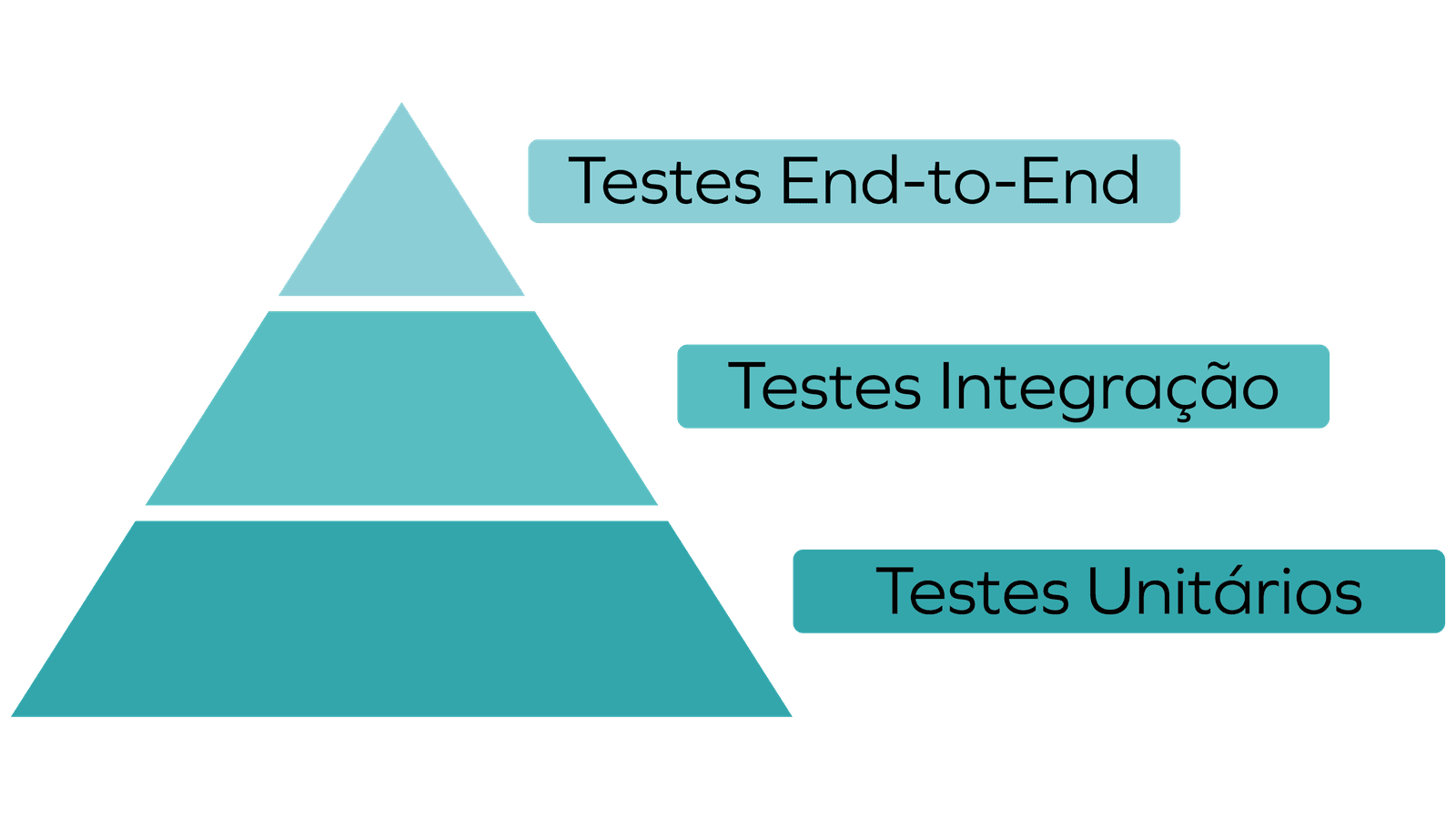
Unit tests form the base of the pyramid and focus on individual, isolated components of the software. They are characteristically fast to execute, often completing in milliseconds, which allows them to be run frequently during development.
Example: Imagine a mobile fitness application that calculates calories burned. A unit test would verify that when inputting a 30-minute running activity for a 70kg person, the calculation would result in exactly the expected calories. The simplicity of these tests allows them to be written in large quantities, offering broad coverage of the application's basic functionalities.
In the middle of the pyramid, we find integration tests, which verify how different components of the system work together. These tests are naturally slower than unit tests, as they cover flows that traverse multiple components and may even involve real or simulated external systems.
Example: In the context of a news website, an integration test could verify whether the article publication process works correctly, from submission by the journalist to automatic categorization and publication on the homepage. These tests should be moderate in number, focused on the most critical business scenarios.
At the top of the pyramid are end-to-end tests, which simulate the behavior of real users interacting with the complete application. They are the slowest to execute, often taking seconds or minutes, as they test the application exactly as the user sees it.
Example: An E2E test would simulate a user accessing a website, searching for a specific product, adding that product to the cart, filling in delivery and payment details, and finally completing the purchase. Due to their cost in terms of time and resources, these tests should be few and strategically selected.
Testing is not just a phase of development - it's a mindset that accompanies the entire process. The testing pyramid offers a clear structure to organize this approach, allowing teams of any size to gradually improve the quality of their software.
Codepoint's investment in testing directly translates into more reliable products, less stressful deployments, and ultimately, a better experience for end users. We believe that true quality software engineering is not limited to delivering features - it's about delivering confidence, consistency, and lasting value.
By sharing these practices, we hope to contribute to a more resilient and quality-oriented development community - values that are at the core of our culture at Codepoint.