
Design for Internationalization

Adapting Products for Global Markets
Design for internationalization is an essential process to ensure that products and services are suitable for different global markets. This process involves adapting product elements such as language, features, and aesthetics to meet the cultural, technological, and regulatory specifics of each region.
With globalization, digital startups face both significant opportunities and challenges. Expanding into international markets means adapting products to the cultural, linguistic, and technological realities of each region, without compromising the user experience.
Design for internationalization (a process referred in i18n) goes beyond mere translation. It is an approach that takes into account cultural, technological, and regulatory elements to create products that are tailored to each target market, while maintaining a consistent and effective user experience.
Practical example:
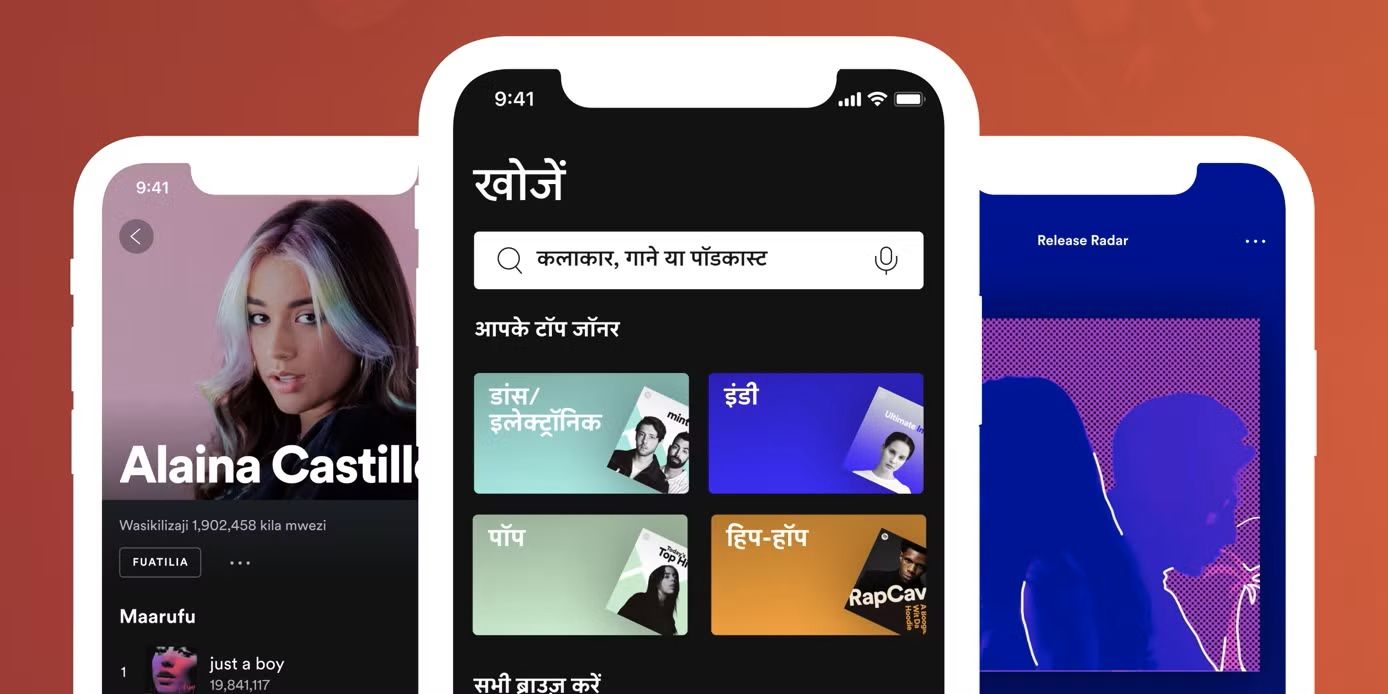
Spotify not only adapts the language of the interface, but also customizes content (such as regional playlists) and visual elements for devices common in each market. This flexibility helps boost engagement among local users.
Language
Text Expansion: Longer words in German may exceed interface limits, while languages like Arabic and Chinese require specific layouts due to text direction (right to left or vertical).
Technical Jargon: Literal translations may fail to capture the intended meaning. For example, the term "cloud computing" may need rephrasing in languages where the concept is not well established.
Regional Variations: Differences in the same language, such as "color" (American English) and "colour" (British English), can affect consistency.
Culture
Colors and Symbolism: While red signals warning in Europe, it symbolizes good luck in China.
Communication Style: Countries like Japan prefer formality, while the United States values a more casual and direct tone.
Social Norms: Icons or gestures can have different meanings. For instance, a raised hand may be friendly in some countries and offensive in others.
Regulation
Data Privacy: Rules like GDPR (Europe) and LGPD (Brazil) require platforms to be transparent and follow strict data protection standards.
Local Requirements: Some countries impose specifics such as different taxation or detailed information during checkout.
Time Zones and Regional Formats
Dates: The format "07/04/2024" could be interpreted as April 7 in the U.S. or July 4 in the U.K.
Currencies and Units: Displaying prices in local currency or converting between metric and imperial units is crucial to avoid confusion.

Create a Flexible Design
Interfaces should accommodate variations in text and layout without compromising functionality. Extra space in buttons or headers can help prevent truncation issues in longer languages.
Build a Global Design System
A robust design system aids in scaling internationally:
Reusable Components: Buttons, menus, and fonts that automatically adjust to different languages and cultures.
Example: Microsoft’s Fluent Design adapts spacing and fonts to support over 100 languages.
Use Universal Iconography
Replacing text with widely recognized icons can overcome cultural barriers, as long as the icons are universally understood.
Content Personalization
Personalize the experience based on the market:
Regional Checkout: Adapt payment methods (e.g., Boleto in Brazil or Alipay in China).
Localized Images: Avoid visuals that may seem irrelevant or offensive in the target market.

Localization Tools
APIs and Frameworks: Platforms like Google Translate offer initial support, while frameworks like i18next help manage translations directly in the code.
Human Reviewers: Ensure content is culturally appropriate and accurate.
Multicultural UX Testing
Conducting tests with local users before launch ensures that the experience is intuitive across different contexts.
Integration with Local Systems
Adopting solutions specific to payments, shipping, and customer support is crucial for acceptance in foreign markets.
Airbnb
Personalizes the interface with translations and local experiences, fostering a sense of belonging among users from diverse cultures.
Shopify
Provides support in multiple languages and integrates local payment methods, enabling small businesses to sell globally with ease.
Internationalization as a Growth Strategy
Investing in design for internationalization is a strategic move for digital startups. Understanding and respecting cultural, legal, and technological nuances is essential for creating global products that resonate locally. By combining technology with empathy in design, companies can enter new markets, create memorable experiences, and build a loyal and diverse customer base.