
What is operational Gamification and how it makes effort visible

Gamification is a word you've probably heard many times, and likely associate with points, badges and leaderboards, things that seem more suited to a fitness app than a serious business. Operational gamification is different. It's not about turning work into a game. It's about using the same principles that make games addictive (visible progress, immediate feedback, clear goals) to make internal processes easier to follow and more motivating to complete.
The difference is subtle, but important: generic gamification tries to entertain. Operational gamification tries to solve a real productivity problem, using the game as a tool, not as an end in itself.
Most productivity dips in a team don't come from a lack of effort. They come from three very common things:
Lack of visibility: people don't know if they're doing well or badly until the end of the month.
Lack of immediate feedback: today's effort is only acknowledged, or not, weeks later.
Abstract goals: "increase sales by 15%" says very little about what to actually do tomorrow morning.
Operational gamification tackles exactly these three points: it makes progress visible in real time, gives instant feedback, and turns abstract goals into small, concrete challenges.
You don't need badges and avatars to get started. The most effective elements are usually the simplest:
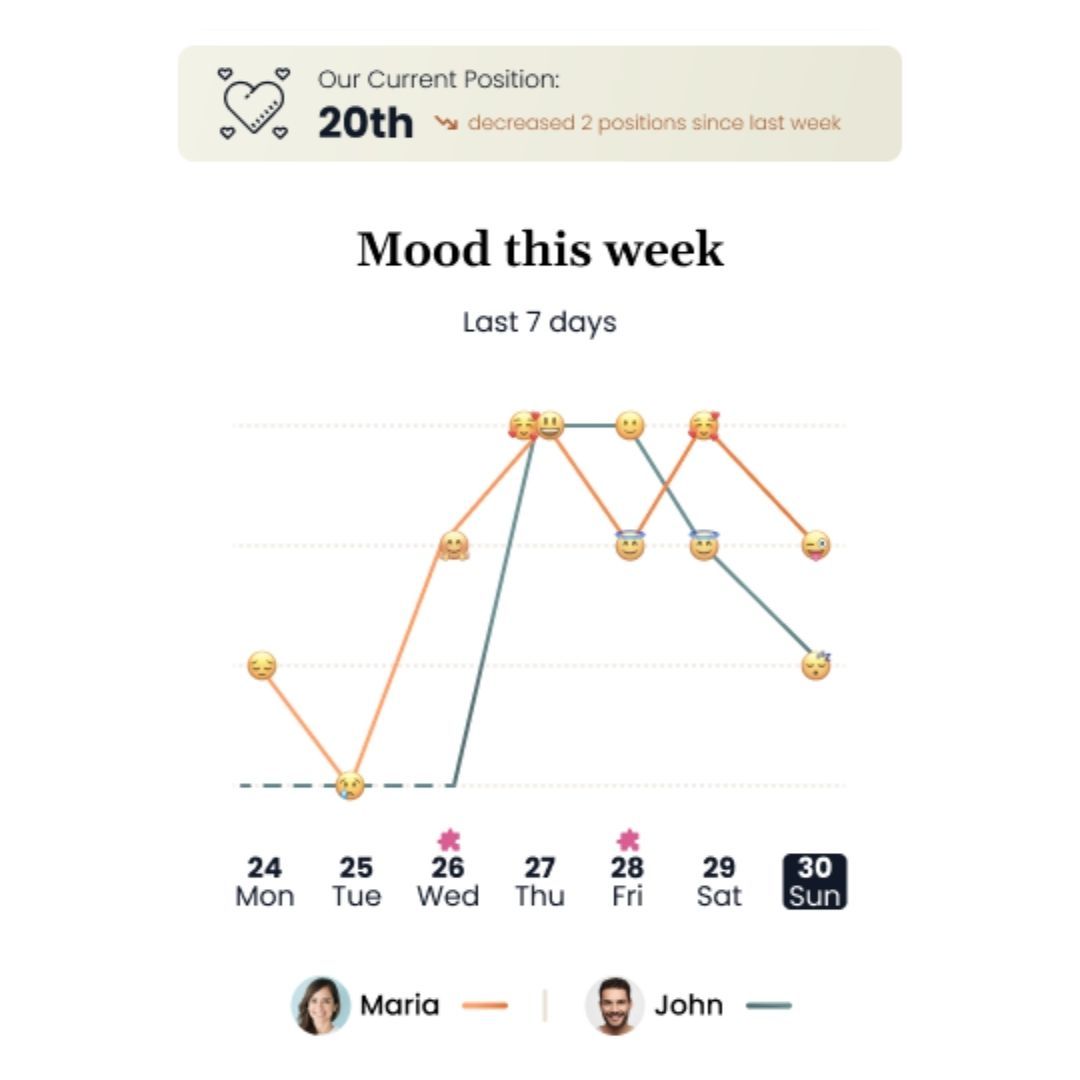
A progress bar, a counter, a dashboard that shows "where we are" relative to "where we need to be". The human brain responds much better to visible progress than to numbers hidden away in a spreadsheet.
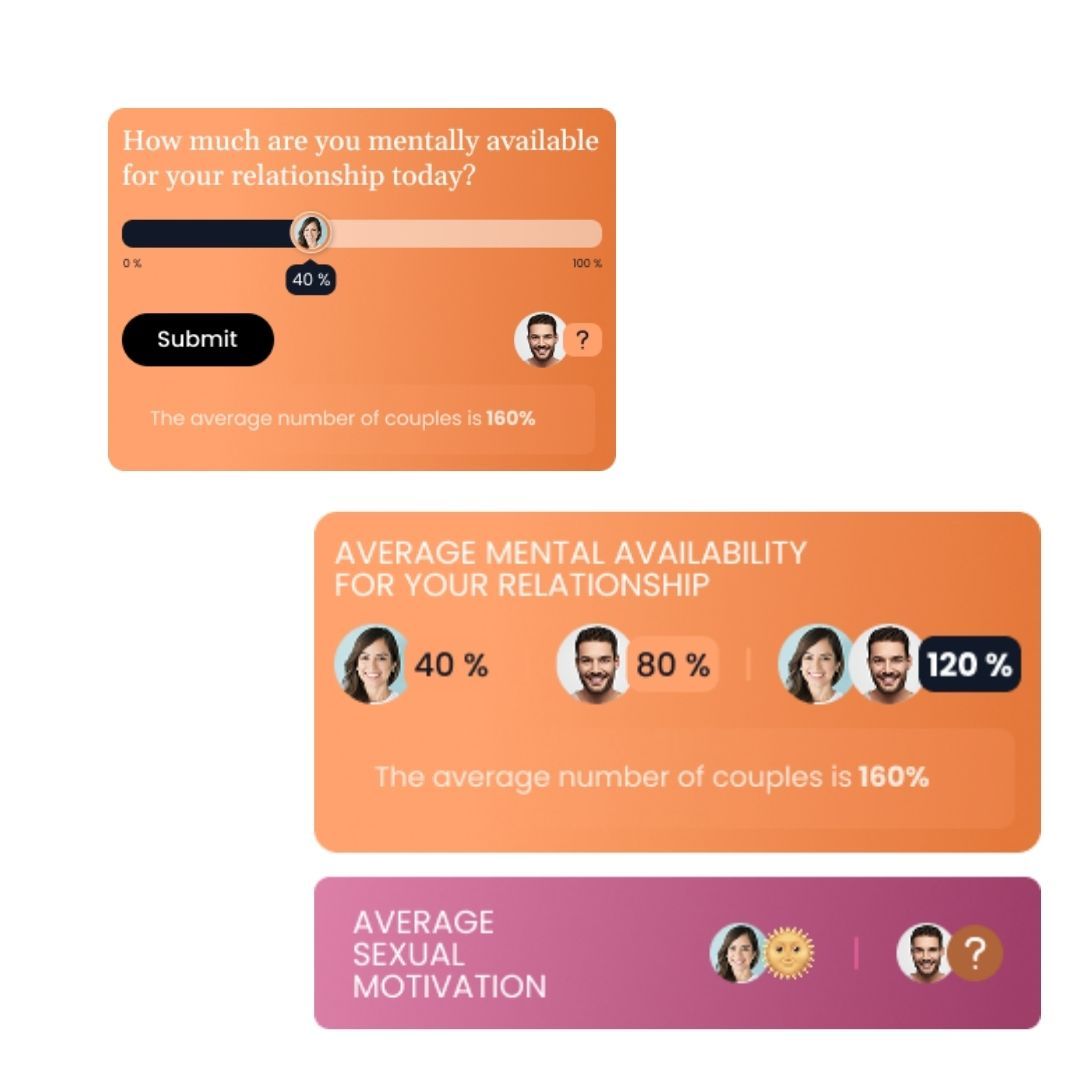
Instead of waiting for the quarterly review, the person knows on the same day whether they hit what they needed to hit. This is what most distinguishes operational gamification from traditional incentive systems.
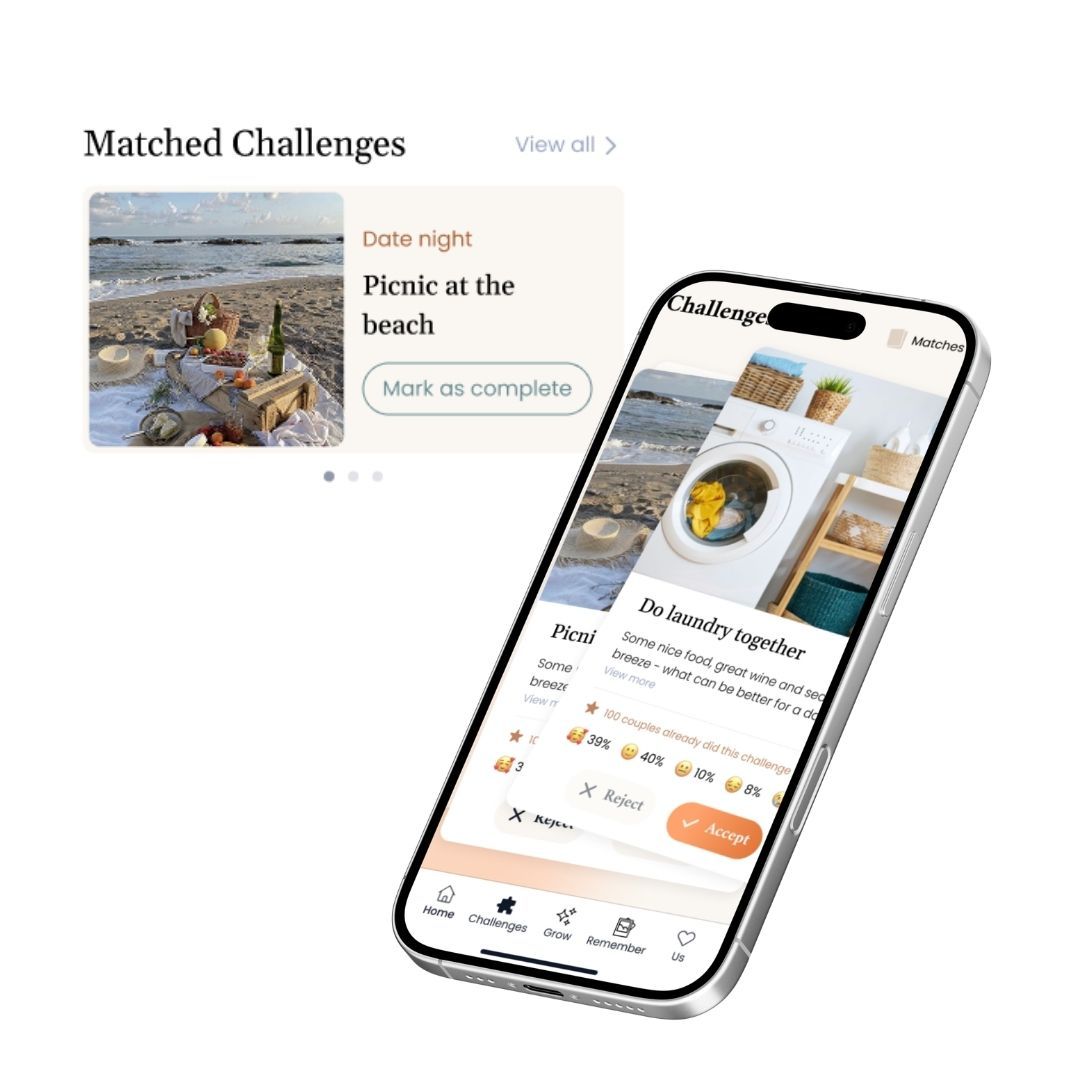
Instead of a distant annual goal, break it down into weekly or daily objectives the person can see through to completion. The feeling of finishing something is, on its own, a powerful motivator.
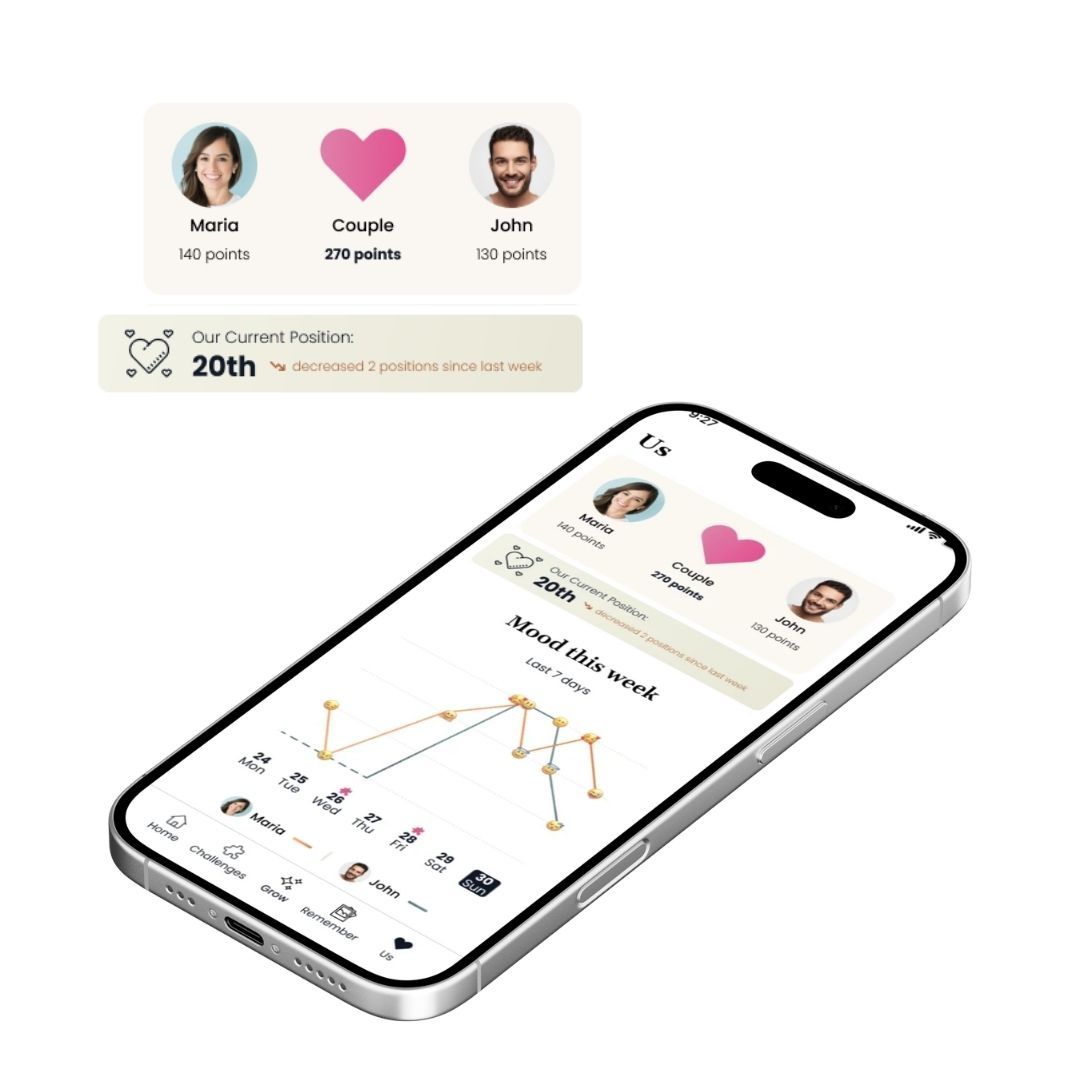
Leaderboards and rewards only work when they're directly linked to something the team already wants to improve, such as sales, response time to customers, or the quality of internal processes. Gamification disconnected from real goals doesn't motivate, it distracts.
These four elements aren't abstract theory. This exact logic is what we applied on the Formula, an app we built to help couples strengthen their relationship. In the "Us" section, each couple sees their own visible progress: points earned, ranking against other couples, and graphs of mood over time. Daily mood tracking works as near-instant feedback on the state of the relationship. The app's challenges break bigger goals down into small, concrete activities a couple can complete and see through. And every completed challenge creates a memory saved in the app, a tangible form of recognition for real effort.
The context is different (personal relationships, not team productivity), but the mechanism is the same: making visible a kind of progress that would otherwise stay invisible until it feels like nothing is happening.
Operational gamification tends to deliver better results in contexts with repetitive tasks or clear performance metrics, precisely because these are the contexts where there's a concrete number to make visible and a cycle short enough to give near-immediate feedback:
Sales teams: pipelines, weekly targets, visible progress per salesperson.
Customer support: response time, customer satisfaction, first-contact resolution.
Onboarding and training: new hires complete step-by-step paths, with visible progress from day one.
Internal operational processes: quality checklists, deadline compliance, error reduction.
Where it tends to work less well is in creative or long-term strategic work, where simple metrics distort what actually matters. Gamifying everything, indiscriminately, is as common a mistake as gamifying nothing at all.
Adding points and levels to a process that already works well doesn't bring productivity, it brings noise. The right starting point isn't "how do we gamify this", but rather "where is the team losing time, motivation or clarity, and would a visible progress system fix that?"
If the answer is yes, you usually don't need to build anything complex. A simple, well-designed dashboard with the right numbers in view is already operational gamification at its most effective, even without a single badge.
Done with intention, operational gamification usually brings three concrete gains: more clarity about what's expected of each person, faster feedback on performance, and a team that feels progress instead of just clocking hours. It's not about making work fun, it's about making effort visible.
If there's a process in your business where the team loses motivation from not seeing their own progress, it's worth talking about the right system design before deciding what to build.